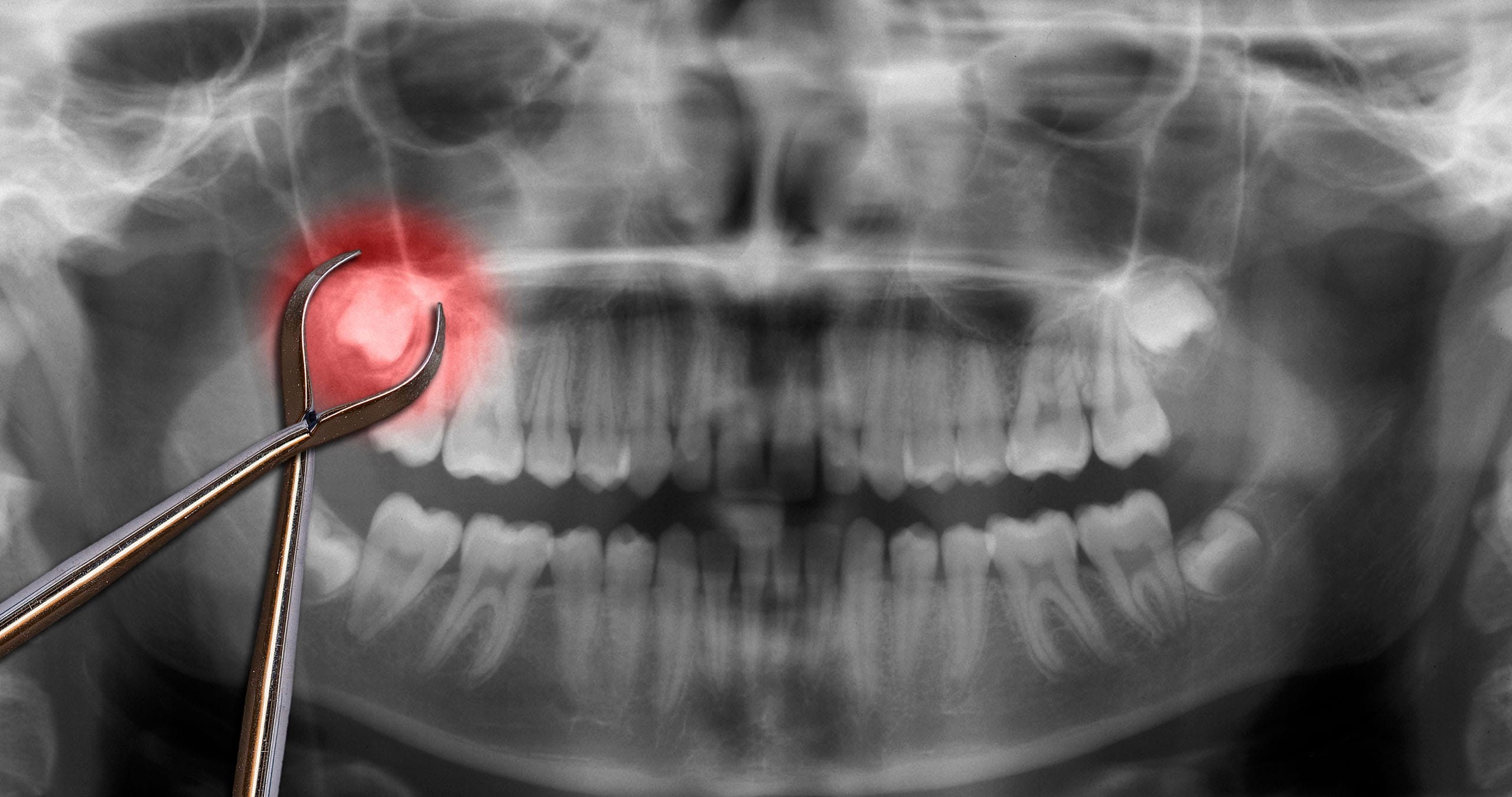
At Paramount Dental in Roseville, our team provides gentle, efficient care for wisdom teeth extraction. Whether your third molars are painful, infected, or impacted, we guide you through diagnosis, treatment, and recovery with clear instructions and compassionate follow-up. If you’re unsure whether removal is necessary, we can evaluate your case and explain your options in plain language.
Many patients choose to combine comfort options—like local anesthesia with nitrous or oral sedation—to make the visit easier. We’ll tailor your plan, review expected healing, and share tips to avoid complications so you can get back to normal quickly.
Schedule A Wisdom Teeth Extraction Consultation
Benefits
- Relieves pain and swelling caused by impacted or partially erupted third molars.
- Helps prevent infections, decay, gum disease, and cyst formation around problem wisdom teeth.
- Protects adjacent teeth from pressure, crowding, and damage.
- Simplifies future orthodontic care by preserving space and alignment when indicated.
- Personalized comfort options, including local anesthesia and sedation dentistry when appropriate.
Procedure/Process
- Assessment & imaging: Examination and dental X-rays to confirm position, root development, and proximity to nerves/sinuses.
- Anesthesia: Numbing with local anesthetic; sedation may be added for comfort depending on case complexity and preference.
- Tooth removal: A small opening may be made in the gum. The tooth is loosened and removed in one piece or sectioned as needed, then the site is cleaned.
- Suturing & gauze: Stitches are placed when indicated, and gauze is applied to support clot formation and minimize bleeding.
- Recovery review: You’ll receive written aftercare instructions, prescriptions if needed, and a follow-up plan.
Candidacy & Alternatives
You may be a candidate for wisdom teeth extraction if you have pain, recurrent infections, decay in or around the third molars, gum disease, cysts, or damage to nearby teeth. Even “asymptomatic” wisdom teeth can cause future problems if they’re impacted, malpositioned, or difficult to keep clean.
Alternatives: In select cases, monitoring with periodic exams and imaging is appropriate. If a tooth’s roots are close to a nerve, partial removal (coronectomy) may be considered. Orthodontic care (Invisalign or braces) can be coordinated after healing if spacing or bite adjustments are planned.
Cost & Insurance
Costs vary by the number of teeth removed, impaction type, anesthesia, and complexity. Many PPO dental plans cover a portion of wisdom teeth removal, especially when medically necessary. We’re happy to provide a pre-treatment estimate after your exam and X-rays.
- Insurance: We can submit a preauthorization and help you understand deductibles, annual maximums, and any medical insurance coordination.
- Financing: We accept CareCredit®, Cherry and Proceed Finance, making it easier to fit treatment costs into your budget.
Aftercare & Maintenance
- Bite gently on gauze for the first hour; replace as directed to control minor oozing.
- Rest with your head elevated the first day. Use cold compresses on the cheek intermittently during the first 24–48 hours to reduce swelling.
- Start warm salt-water rinses the day after surgery (not the day of). Rinse gently several times daily and after meals.
- Eat soft, cool foods (yogurt, smoothies without seeds, soups once cooled). Avoid straws, smoking/vaping, and vigorous spitting to protect the clot.
- Take prescribed or recommended pain medication as directed. Resume brushing carefully, avoiding the extraction sites at first.
- Contact us promptly if pain worsens after 3–5 days, if you notice a foul taste/odor, fever, or persistent bleeding.
Wisdom Teeth Extraction FAQs
Do all wisdom teeth need to be removed?
No. If third molars are fully erupted, cleanable, pain-free, and not damaging nearby teeth, careful monitoring may be recommended. We’ll evaluate risks and benefits during your exam.
Will I be awake for the procedure?
Most patients do well with local anesthesia, and some choose nitrous or oral sedation for added comfort. We’ll review options and your medical history to choose the safest approach.
How long is recovery?
Initial healing typically takes 3–5 days for mild cases and about a week for impacted teeth. Swelling often peaks around 48–72 hours, then improves. Stick to soft foods and avoid smoking or straws during this period.
What can I eat after surgery?
Start with soft, cool foods like yogurt, applesauce, mashed potatoes, or smoothies (no seeds). Gradually add semi-soft foods as comfort allows. Avoid hard, spicy, or chewy items until we clear you.
What is “dry socket,” and how do I avoid it?
Dry socket occurs when the protective blood clot is dislodged, exposing bone and nerves. Prevent it by avoiding straws, smoking, vigorous rinsing/spitting, and by following our aftercare instructions closely.
When should I call the office?
Contact us if bleeding won’t slow after directed gauze pressure, if pain worsens after day 3, if you develop fever, pus, or a bad taste/odor, or if you have concerns about medications or stitches.