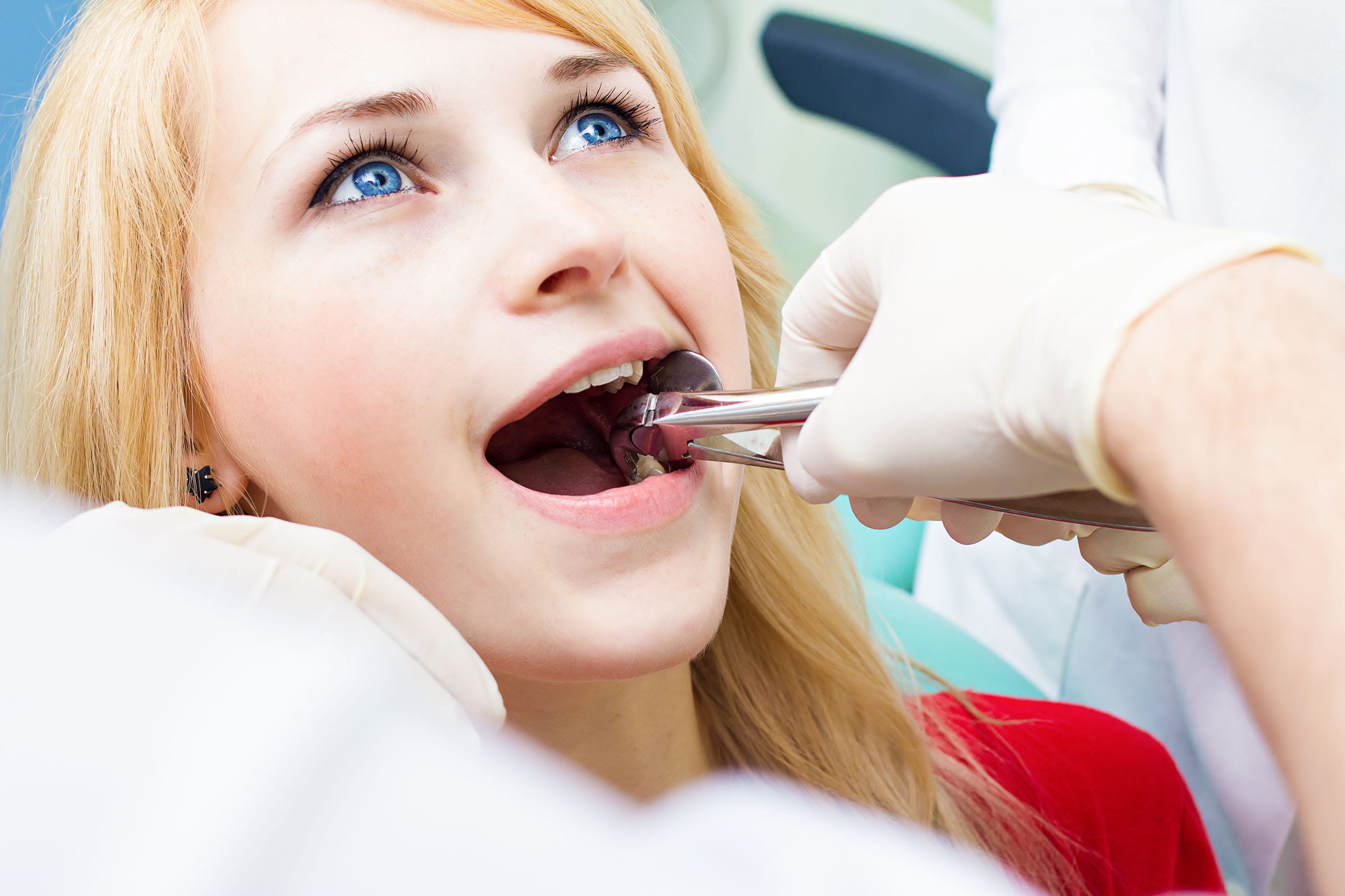
If you’re dealing with a painful, damaged, or infected tooth in Roseville, our team at Paramount Dental can help with a gentle tooth extraction. While saving a natural tooth is usually the first choice, there are times when removal is the healthiest next step to relieve pain and protect surrounding teeth and gums. Our Roseville dentist and team will guide you through the process from your first call to comfortable recovery, and discuss the best way to restore your smile after the extraction.
At Paramount Dental, our emergency dentist combines modern techniques, clear communication, and compassion—so you’ll know exactly what to expect before, during, and after your appointment. If you’re nervous about treatment, ask us about comfort options to help you relax.
Questions now? Call (916) 898-0003—we’re happy to help.
Schedule A Tooth Extraction Consultation
Benefits
- Relieves pain and infection: Removes the source of severe decay, fractures, or abscess when a tooth can’t be saved.
- Protects neighboring teeth: Prevents the spread of infection or crowding that can shift your bite.
- Prepares for healthy restoration: Creates space for a dental implant, bridge, or orthodontic alignment.
- Fast symptom relief: Many patients experience rapid improvement in pressure and swelling after treatment.
Procedure
Diagnosis & planning
Our dentist in Roseville evaluates your symptoms, takes digital X-rays, and reviews your medical history and medications. Then we explain findings and options and outline your personalized plan.
Comfort & anesthesia
We fully numb the area with local anesthetic. For anxious patients, sedation dentistry is available. You’ll feel pressure—not sharp pain—during the procedure.
Simple vs. surgical extraction
- Simple extraction: Used when the tooth is visible above the gum. The tooth is gently loosened with an elevator and removed with forceps.
- Surgical extraction: Used for broken or impacted teeth. A small opening in the gum may be made, and the tooth could be sectioned into pieces for easier removal. Dissolvable sutures may be placed.
After your visit
We place gauze for gentle pressure and review your home-care instructions. You’ll receive our Roseville dentists’ recommendations for pain control, swelling management, diet, and hygiene—plus a follow-up plan.
Candidacy & Alternatives
Extraction may be recommended if you have severe decay, split/fractured roots, advanced gum disease, an impacted or problematic wisdom tooth, or crowding that affects orthodontic treatment. We’ll always discuss alternatives when appropriate:
- Root canal therapy to save an infected tooth
- Full-coverage crowns, onlays, or bonded restorations (when structural support remains)
- Periodontal therapy for gum-related issues
- Orthodontic options like Invisalign for alignment/crowding cases
After extraction, we’ll review tooth replacement options such as dental implants or dental bridges to restore function and appearance.
Cost & Insurance
Fees vary based on tooth type (front tooth, premolar, molar), procedure complexity (simple vs. surgical), imaging, and whether sutures or additional care are needed. Many dental benefit plans provide coverage for medically necessary extractions; we’re happy to provide a pre-treatment estimate.
- We’ll submit insurance on your behalf and review out-of-pocket estimates before treatment.
- We accept CareCredit®, Cherry and Proceed Finance, making it easier to fit treatment costs into your budget.
Have questions about coverage? Call (916) 898-0003 and we’ll help you review options.
Aftercare & Maintenance
- Bite on gauze for 30–60 minutes, changing as directed until bleeding slows.
- Protect the clot: No smoking/vaping, spitting, or drinking through a straw for at least 24–72 hours.
- Manage swelling: Use a cold compress (20 minutes on, 20 off) for the first 24 hours as needed.
- Eat soft foods: Yogurt, eggs, pasta, rice, smoothies (no straw), applesauce. Advance as comfortable.
- Oral hygiene: Brush and floss other teeth normally. After the first day, gently rinse with warm saltwater as instructed.
- Pain control: Take recommended medications as directed; call us if pain worsens after 2–3 days.
- Watch for dry socket: Persistent throbbing pain, bad taste/odor, or visible bone—contact us right away.
- Replacement planning: After healing, consider implants or a bridge to maintain chewing and prevent shifting.
Tooth Extraction FAQs
Will I feel pain during a tooth extraction?
We fully numb the tooth and surrounding tissues, so you should feel pressure but not sharp pain. If anything feels uncomfortable, raise your hand, and we’ll pause and add anesthetic.
What’s the difference between a simple and surgical extraction?
A simple extraction removes a visible tooth using elevators and forceps. A surgical extraction is used for broken or impacted teeth and may involve a small gum opening and sectioning the tooth into pieces before removal.
How long does healing take?
Initial healing often occurs within about a week, though full socket healing can take several weeks. Follow your Roseville dentists’ aftercare instructions closely and keep your follow-up visit as scheduled.
What can I eat after my extraction?
Choose soft, cool foods the first days (eggs, yogurt, pasta, rice, applesauce). Avoid hard, crunchy, spicy, or very hot foods until you’re comfortable and we’ve cleared you to advance your diet.
How do I avoid dry socket?
Protect the blood clot: avoid straws, smoking/vaping, vigorous rinsing, or spitting for at least 24–72 hours. Keep the area clean with gentle rinses after day one, and follow all instructions carefully.
Do I need to replace the missing tooth?
Replacing most extracted teeth helps maintain chewing, speech, and facial support. We’ll review options like dental implants and bridges and recommend the best timeline for you.